
Ethiopia does not require travel insurance for visa approval, but it is strongly recommended for every traveler entering the country. Neither the e-Visa portal at evisa.gov.et nor the embassy visa application asks for proof of insurance. However, Ethiopia’s limited healthcare infrastructure outside Addis Ababa and the high cost of medical evacuation make travel insurance a practical necessity, not a luxury.
Is Travel Insurance Required for an Ethiopia Visa?
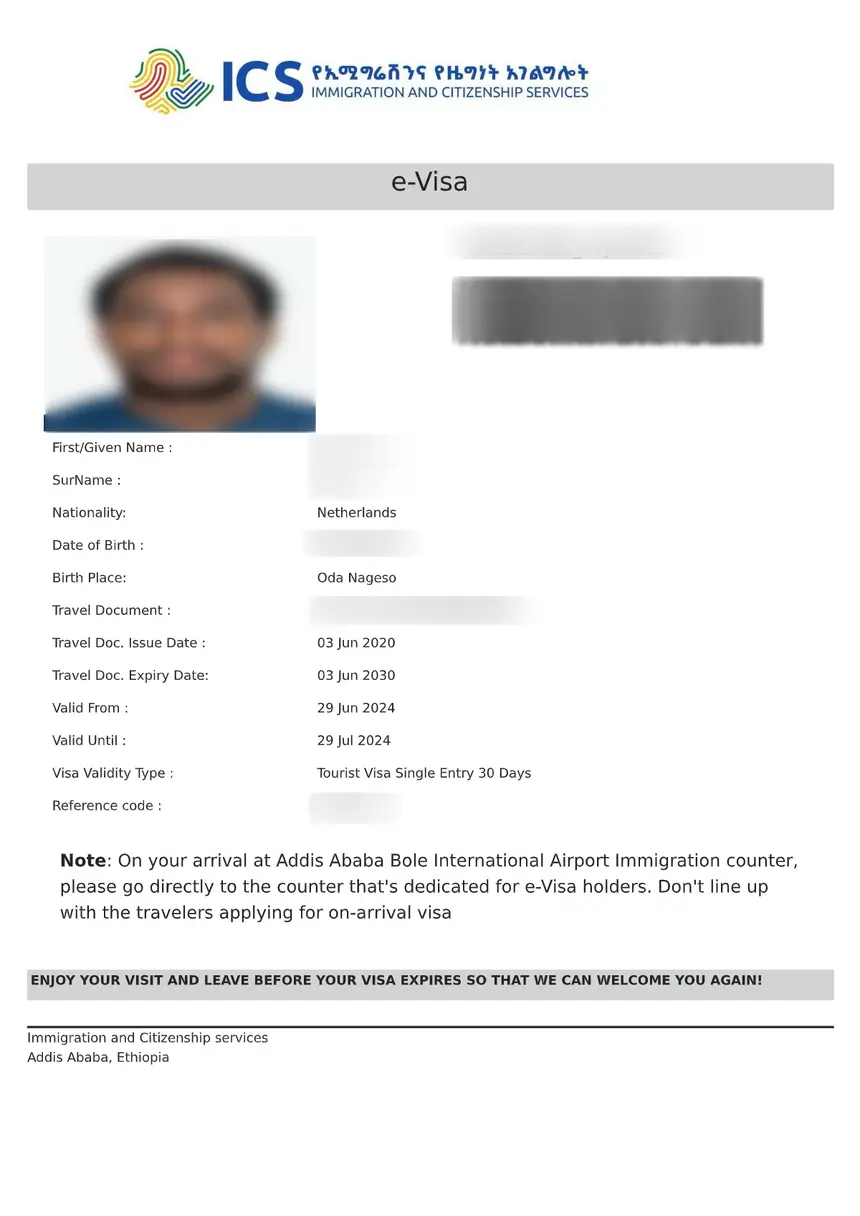
No. Ethiopia does not mandate travel insurance as part of its visa application process. Whether you apply for an e-Visa online or obtain a visa through an Ethiopian embassy, you will not be asked to show an insurance certificate or policy number.
This applies to all visa types:
| Visa Type | Insurance Required? | Insurance Recommended? |
|---|---|---|
| Tourist e-Visa (30-day) | No | Yes |
| Tourist e-Visa (90-day) | No | Yes |
| Business visa | No | Yes |
| Transit visa | No | Yes |
| Visa on arrival | No | Yes |
| Investment visa | No | Yes |
The Ethiopia visa requirements focus on passport validity, photos, and supporting documents – insurance is not on the checklist.
Why Travel Insurance Is Still Essential for Ethiopia
Even though it is not a visa requirement, travel insurance is one of the most important things you can arrange before flying to Ethiopia. Here is why:
Limited Medical Facilities Outside Addis Ababa
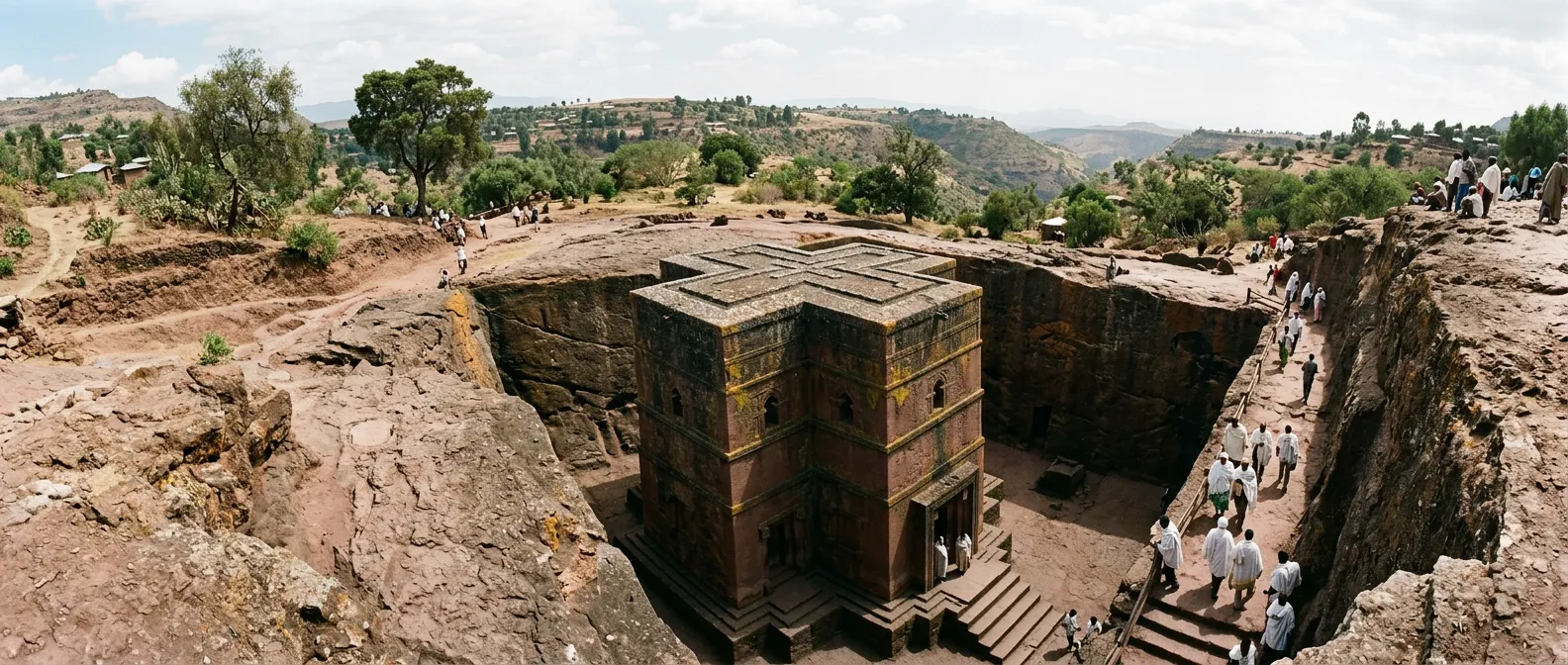
Ethiopia has modern hospitals and clinics in Addis Ababa, including the Tikur Anbessa Specialized Hospital and private facilities like Myungsung Christian Medical Center. However, outside the capital, healthcare facilities are basic. If you fall ill or get injured while visiting Lalibela, the Omo Valley, or the Simien Mountains, you may need to be evacuated to Addis Ababa or even Nairobi for adequate treatment.
Medical evacuation from rural Ethiopia can cost $50,000 to $100,000 or more depending on the location and urgency. Without insurance, you would pay this out of pocket.
High Altitude and Trekking Risks
Popular destinations like the Simien Mountains (up to 4,550 meters) and the Bale Mountains carry real altitude sickness risks. Trekking accidents, even minor ones like twisted ankles or dehydration, can require helicopter extraction from remote areas. Standard travel insurance covers these scenarios if your policy includes adventure activities.
Road Travel Hazards
Road conditions outside major highways are poor. Traffic accidents are a common cause of injury for travelers in Ethiopia. If you need emergency medical treatment after a road accident, insurance ensures you get prompt care without worrying about payment.
What Travel Insurance Should Cover for Ethiopia
When choosing a policy for your Ethiopia trip, make sure it includes:
Medical coverage (minimum $100,000):
– Emergency medical treatment
– Hospital stays
– Prescription medication
– Dental emergencies (acute pain or injury only)
Medical evacuation:
– Emergency evacuation to the nearest adequate facility
– Repatriation to your home country if medically necessary
– Minimum coverage: $250,000 (evacuations from rural Ethiopia are expensive)
Trip protection:
– Trip cancellation (illness, family emergency)
– Trip interruption
– Flight delays over 6-12 hours
– Lost or delayed baggage
Adventure activities (if applicable):
– Trekking and hiking above 3,000 meters
– Wildlife viewing
– If you plan to visit the Danakil Depression, verify that extreme heat and volcanic terrain are not exclusions
Recommended Insurance Providers for Ethiopia Travel
Several international insurers offer policies that cover Ethiopia:
| Provider | Starting Price (approx.) | Medical Coverage | Evacuation | Adventure Sports |
|---|---|---|---|---|
| World Nomads | $50-80 / 2 weeks | $100,000 | $300,000 | Included |
| SafetyWing | $45-60 / 2 weeks | $250,000 | $100,000 | Limited |
| Allianz Travel | $40-70 / 2 weeks | $50,000-$500,000 | $500,000 | Add-on |
| IMG Global | $55-90 / 2 weeks | $100,000 | $250,000 | Included |
Prices are approximate and vary by age, trip duration, and coverage level. Always check current pricing on the provider’s website.
World Nomads is particularly popular with Ethiopia travelers because it covers adventure activities by default, including trekking at altitude. SafetyWing is a good budget option for longer stays.
When You Might Need Proof of Insurance
While Ethiopia does not require insurance for entry, certain situations may call for proof of coverage:
- Your employer or company may require business travelers to carry insurance as part of corporate travel policy
- Tour operators organizing treks in the Simien Mountains or Omo Valley trips often require insurance proof before departure
- Some airlines may ask about insurance during check-in (though this is uncommon for Ethiopia routes)
- Your home country may recommend or require insurance for travel to East Africa
If you are applying for an Ethiopia business visa, check whether your sponsoring company has specific insurance requirements.
How to Buy Travel Insurance for Ethiopia
- Compare policies on aggregator sites like InsureMyTrip or SquareMouth
- Check Ethiopia is covered – most global policies include Ethiopia, but some exclude certain African countries
- Verify medical evacuation limits – ensure coverage is at least $250,000
- Read exclusions carefully – pre-existing conditions, extreme sports, and high-altitude trekking may require add-ons
- Buy before you depart – most policies must be purchased before your trip starts, not after arrival
- Save your policy documents – keep a digital copy on your phone and a printed copy in your luggage
What If You Are Already in Ethiopia Without Insurance?
If you are already traveling in Ethiopia and did not purchase insurance beforehand:
- SafetyWing allows you to start a policy while already abroad (unusual among travel insurers)
- Your embassy in Addis Ababa can provide a list of local hospitals and help contact family in an emergency, but they will not pay medical bills
- Credit card travel insurance – check if your credit card includes travel coverage. Some premium cards (Chase Sapphire, Amex Platinum) cover medical emergencies abroad
For general trip preparation, review our Ethiopia visa application guide and passport requirements to make sure all your documents are in order.
FAQs About Ethiopia Travel Insurance
Do I need travel insurance to get an Ethiopia visa?
No. Ethiopia does not require travel insurance for any visa type – e-Visa, embassy visa, or visa on arrival. However, it is strongly recommended due to limited healthcare outside Addis Ababa and the high cost of medical evacuation.
Does the Ethiopia e-Visa application ask for insurance details?
No. The e-Visa application at evisa.gov.et asks for passport details, travel dates, accommodation, and payment information. There is no field for insurance policy or provider information.
What happens if I get sick in Ethiopia without insurance?
You will need to pay for all medical treatment out of pocket. Private hospitals in Addis Ababa may require payment upfront before treatment. Medical evacuation can cost $50,000-$100,000 or more. Your embassy can help locate medical facilities but will not cover costs.
Is Ethiopia covered by standard travel insurance policies?
Most international travel insurance policies cover Ethiopia. However, some budget policies exclude certain countries, so always verify that Ethiopia is listed as a covered destination before purchasing.
Do I need special insurance for trekking in Ethiopia?
If you plan to trek in the Simien Mountains, Bale Mountains, or other high-altitude areas, check that your policy covers adventure activities and trekking above 3,000 meters. World Nomads includes this by default; other providers may require an add-on.
Can I buy travel insurance after arriving in Ethiopia?
Most insurers require you to purchase before departure. SafetyWing is an exception – it allows you to start coverage while already abroad. Credit card travel insurance may also apply if you booked your trip with the card.
How much does travel insurance for Ethiopia cost?
Budget policies start around $40-50 for a two-week trip. Comprehensive coverage with high medical limits and adventure sports typically costs $70-100 for the same period. Prices vary by age, trip duration, and coverage level.